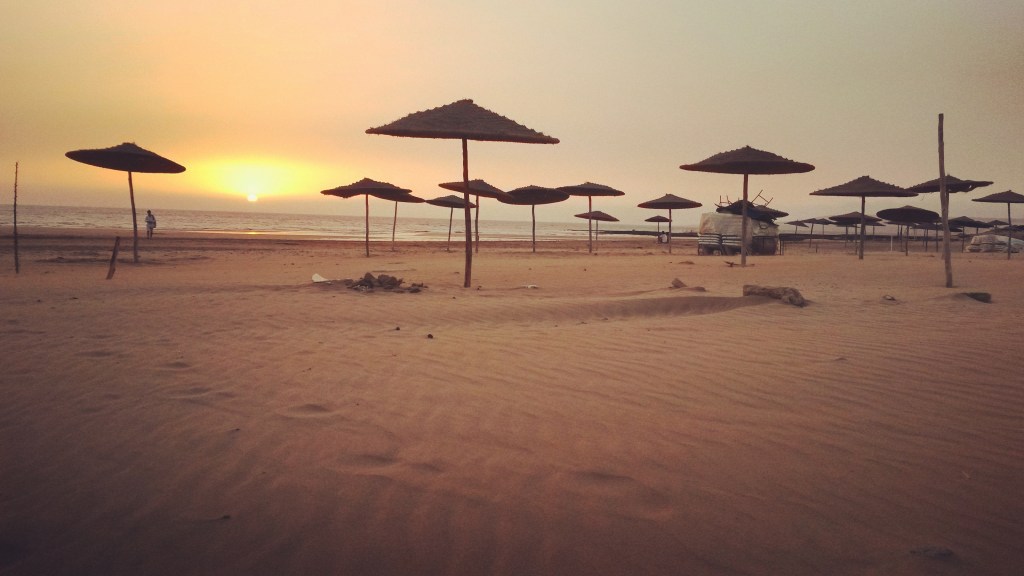
1. How do I get to Morocco from Europe? The most cost-effective options are budget flights from Ryanair.
Use http://www.azair.com/ for flight searches. If you want to go next to the ocean, look for flights to Marrakech or Agadir (or Essaouira, but only with connections in Brussels, Paris or London).
The most expensive flights are during summer (July-August) and Christmas/New Year periods. If planning to travel during these times, buy your ticket well in advance.
TIP 1: Airlines track interest in specific flights and adjust prices accordingly. Search for tickets in anonymous mode so your activity isn’t recorded.
2. Where to go if I want to be by the ocean and try surfing or kitesurfing? The most famous surfing destinations include the Essaouira area (Diabat, Sidi Kaouki, Moulay Bouzerktoun, Cap Sim) and Agadir area (Imsouane, Taghazoute, Tamraght). Conditions for kitesurfing or windsurfing are only around Essaouira or in southern Morocco – Zenith Kite the famous Dakhla region.
World windsurfing champion Boujmaa Guilloul lives in one of the villages around Essaouira – Moulay Bourzektoun.
I’ll focus this article on this area, specifically the small beachside village of Sidi Kaouki, since I’ve been living there for some time and know it in detail.
3. How do I get from the airport? BUS – One option to get from busy Marrakech or Agadir to the ocean is by bus. The Marrakech-Essaouira or Agadir-Essaouira routes are served by many companies. I recommend SUPRATOURS or CTM. You can book tickets on-site. Bus costs around 80 Dhs (Dhs = Moroccan dirham: 1 Dhs = 1 euro).
From the airport, you can get to the bus station by taxi (80-100 Dhs for the whole taxi) or by bus.
From Essaouira to Sidi Kaouki, take bus #2 from Baab Doukalaa station (near one of the medina exits). Runs approximately every hour and a half. Another option is taxi, which should cost maximum 150 Dhs (for the whole taxi).
TAXI – Private taxi can take you from Marrakech or Agadir to the Essaouira area for 800 Dhs (for the whole taxi). If you’re a group filling all seats, it’s quite convenient and cost-effective. I recommend this if arriving at night or early morning when buses don’t run. Contact your accommodation to arrange a taxi or organize transport at the airport. Taxis are available 24/7.
CAR – Car rental costs 200-300 Dhs per day. You can arrange this at the airport or contact your accommodation, which will have contacts for local car rental agencies.
4. Where can I stay? Accommodation options are very wide, from budget hostels to luxury hotels and riads with spas, pools and gardens everywhere. Set your standard, budget, and the style you want to experience Morocco.
For backpackers, I recommend local hostels where you can meet like-minded communities and pay no more than 150 Dhs per night.
For families with small children, I recommend accommodation with more privacy – consider renting your own apartment or hotel room with a spacious garden or terrace, well-protected from wind (which can sometimes be surprising).
Search for accommodation on www.booking.com, www.airbnb.cz or www.hostelworld.com. Enter “Sidi Kaouki” in the search and explore what might appeal to you.
TIP 3: Once you find accommodation, try entering its name in a search engine to see if it has its own private website. The booking sites charge commission fees often added to your accommodation price.Kitesurfing Adventure in Essaouira: Join the Best Camps
5. What language can I communicate in? Arabic and French are official languages in Morocco. People in daily contact with tourists usually speak English, and in northern Morocco also Spanish. In tourist areas and cities, you’ll manage with English. In remote areas or villages, you’ll communicate with locals through non-verbal communication (easier than it seems) or basic French (unless you speak Moroccan dialect Darija or Berber language).
6. Where can I buy food or go for lunch? Sidi Kaouki has about five small shops (similar to corner stores) where you can buy basic groceries – vegetables, oil, water, pasta, meat, yogurts, etc.
Most accommodations provide at least breakfast. You can also eat at several local restaurants. If you want to cook, I recommend buying food in Essaouira’s medina (about 25km from Sidi Kaouki) or at traditional markets held on Sundays in Essaouira or in Had Draa village. At markets, you’ll buy fresh and cheap food and have an unforgettable cultural experience.
FISH – Look out for local fishermen, usually cycling with bags full of fresh fish, or visit Essaouira port, select fresh fish you’d like to try, go to a local restaurant and ask them to grill it (usually for a smallfee) .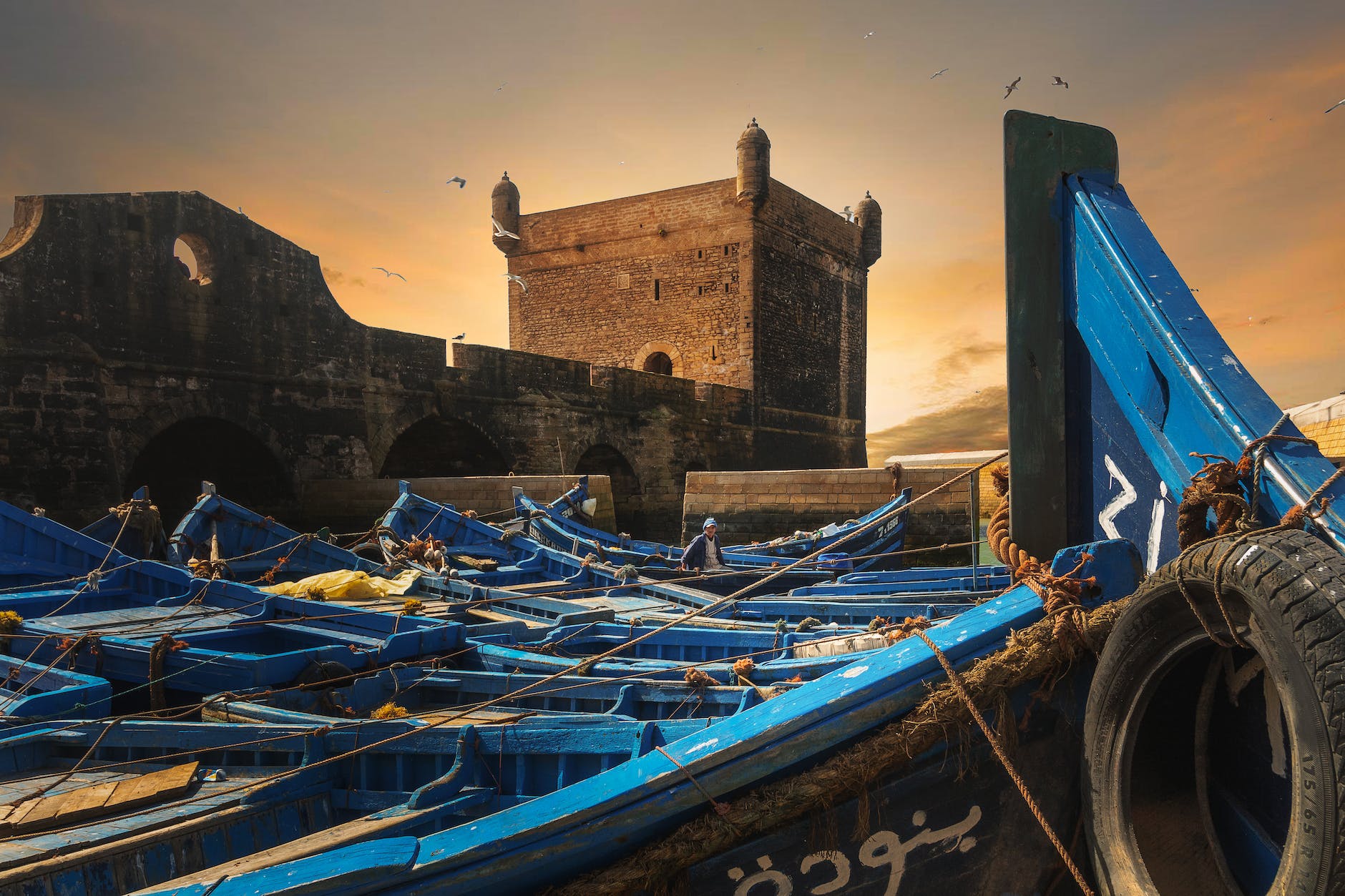
If you don’t like markets and prefer supermarket shopping, Essaouira has Carrefour or Aswak Aasalam.
TIP 4: Personally, I prefer supporting small vendors. For tourists, it might be a lengthy shopping style or we feel communication barriers with locals. But you usually shop cheaper and better quality, and instead of supporting a million-dollar company, your purchase supports a local family.
7. What activities can I try? SURFING or KITESURFING Since you’re by the ocean in an area famous among surfers worldwide, finding an instructor to explain surfing basics or rent equipment won’t be a problem. Sidi Kaouki has many surf schools offering these services.
All have shops around the beach with someone available all day to arrange lessons (in English too). Just walk around the beach and see who seems friendly. Usually, everyone is very experienced and prices are similar – 200-250 Dhs per lesson (usually 2 hours) or around 100-120 Dhs for board and wetsuit rental (for 2 hours).
TIP 5: Watch out for RIP currents. If you know about them, you don’t need to fear them.
TIP 6: If you’re a complete beginner, definitely get an instructor. If you have experience but surfing still doesn’t work, equipment rental will suffice. Surfing is a long-distance run – you learn only through long-term ocean practice. If you know basics and understand technique, no instructor can do the hard work you must undergo before riding your first real wave.
KITESURFING Kitesurfing season is in spring and summer when wind conditions are ideal for this sport. Like surfing, finding an instructor isn’t a problem. Since it’s a sport requiring adequate knowledge and quality equipment, get an instructor recommended with several years of experience. You can arrange this on-site or contact kitesurfing schools before departure. Most have their own websites.
HORSE OR CAMEL RIDING Just arrange on-site. Horses or camels with their owners usually wait by the beach. Price for an hour ride is around 150 Dhs.
TIP 7: If you’ve never ridden a horse, don’t fear the local horses. They’re very used to tourists and unlikely to run off with you on their own. If you’re an experienced rider, pick a really spirited horse that wants to work.
BEACH PICNIC Only recommended on days without strong wind (otherwise you’ll spend time shaking sand from clothes instead of relaxing). Wind usually blows from the south. If you want to go to the beach and it’s windy, find a spot protected by rocks (ideal is Sidi Kaouki’s second beach, about 2km from center, or the below-mentioned oasis with cascades where the beach is protected by rocks and caves).
WANDERING PATHS WORN BY DONKEYS OR CAMELS I have no specific tip for this activity. Let paths guide you to another village or forest and greet camels, donkeys, goats, sheep or turtles you’ll likely encounter.
CYCLING You can rent a bike at local surf schools by the beach.
AREA TRIPS A beautiful spot is an oasis with cascades and desert-like dunes, about 7km south of Sidi Kaouki.
Worth visiting is Essaouira city, specifically the medina, which will charm you with its pleasant atmosphere.
Imsouane is also a wonderful place with beach and harbor.
Finally, you can head south from Sidi Kaouki where there are many long, deserted beaches where you won’t meet a soul.
8. What weather can I expect? Spring – Average temperatures 25-30°C, nights become warm, windy season usually begins.
Summer – Average temperatures around 30-35°C. The Essaouira area isn’t heavily affected by extreme heat because wind usually blows, providing cooling relief. The ocean humidifies air and high temperatures are manageable. Summer is predominantly windy. There are windless days, but windy days prevail. Nights are warm.
Autumn – My favorite period, wind blows less or not at all, temperatures around 25-30°C, nights remain warm.
Winter – Daily average temperatures around 20°C. Days are usually warm but sometimes there are rainy periods lasting several days. Nights are very cold.
TIP 8 (winter period): I recommend choosing accommodation with a fireplace or heating. Typical houses aren’t equipped for winter and central heating doesn’t exist. Moroccan winter let me experience feeling warmer outside than at home! For cold evenings, definitely pack a warm jacket.
9. How should I dress to avoid unnecessary attention? This question mainly concerns women. The perspective on female beauty here is quite different from Europe. Female curves are shown only in family privacy among closest ones and protected from foreign eyes. It’s not common for women to walk half-naked through cities, and when it happens, it usually stands out and attracts attention.
However, Morocco is an open country accustomed to tourism, so no one will order you how to dress. If you don’t mind attracting attention and absolutely want to wear mini-shorts and a low-cut shirt, decide according to your own judgment.
If you want to show respect for local traditions and be more open to local mentality, I recommend wearing looser and less provocative clothing, especially in cities. On beaches, it’s normal for tourists to be in swimwear.
TIP 9: Pack loose dresses or harem pants.
10. Is it safe on the streets? In areas around Essaouira, crime rates are low. At night, I don’t recommend remote and secluded streets. In city centers or surrounding villages, the chance of being mugged or robbed is very low.
 zenithkite